
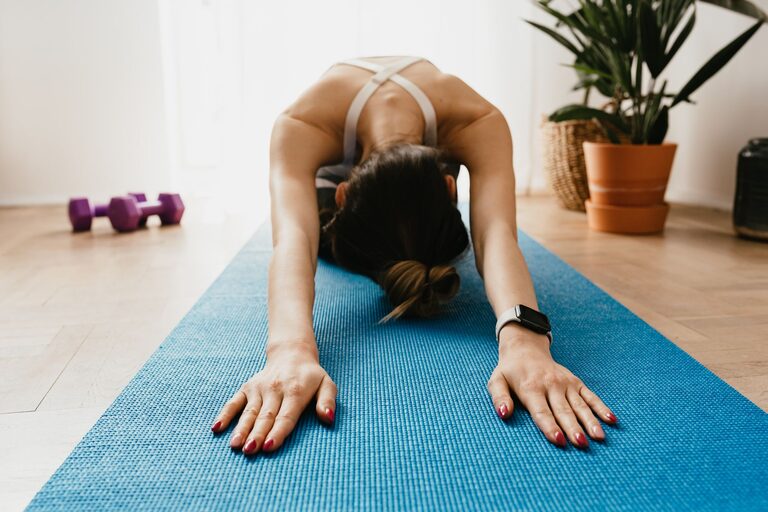
Stretching is a simple yet powerful practice that can enhance your physical health, improve your range of motion, and help prevent injuries. Whether you’re new to stretching or looking to develop a consistent habit, this beginner’s guide will walk you through safe and effective techniques you can easily do at home.
Why Stretching Matters
Stretching helps keep your muscles flexible, strong, and healthy. Without regular stretching, muscles can become tight and shortened, which leads to discomfort and decreased mobility. Stretching:
– Improves circulation
– Reduces muscle tension and soreness
– Enhances athletic performance
– Promotes better posture
– Helps relieve stress and relax the mind
Integrating stretching into your daily routine, even for just a few minutes, can bring noticeable benefits.
Preparing for Your Stretching Session
Before you begin, it’s important to create a safe and comfortable environment:
– Choose a quiet, clutter-free space with enough room to move freely.
– Wear comfortable, loose clothing.
– Use a yoga mat or soft surface to cushion your joints.
– Take a few minutes to warm up your body with light activity like walking or marching in place for 3-5 minutes.
Stretching cold muscles can lead to injury, so warming up is a crucial first step.
Basic Stretching Guidelines
To get the most out of your stretches and avoid injury, keep these tips in mind:
– Stretch gently: You should feel tension but not pain.
– Hold stretches for 15-30 seconds: This allows muscles to lengthen safely.
– Breathe deeply: Inhale and exhale slowly to support relaxation.
– Avoid bouncing: Stretch in a smooth, steady motion.
– Stretch both sides: Make sure to balance your routine by stretching each side equally.
– Be consistent: Aim for at least 2-3 stretching sessions per week.
Beginner-Friendly Stretches to Try at Home
Here are some simple stretches targeting major muscle groups that you can easily add to your routine. Hold each stretch for 20-30 seconds and repeat 2-3 times.
1. Neck Stretch
– Sit or stand with your back straight.
– Slowly tilt your head toward your right shoulder until you feel a gentle stretch on the left side of your neck.
– Hold, then switch sides.
2. Shoulder Stretch
– Bring your right arm across your chest.
– Use your left hand to gently press your right arm closer to your chest.
– Hold, then repeat with the other arm.
3. Chest Opener
– Clasp your hands behind your back.
– Straighten your arms and gently lift your chest.
– This stretch helps counteract slouching, especially if you spend a lot of time sitting.
4. Seated Forward Bend
– Sit on the floor with your legs extended straight in front of you.
– Keep your back straight and slowly reach forward toward your toes.
– Stop when you feel a stretch in your hamstrings and lower back.
5. Cat-Cow Stretch (spinal mobility)
– Start on all fours with your wrists under your shoulders and knees under your hips.
– Inhale and arch your back, lifting your head and tailbone (Cow).
– Exhale and round your spine, tucking your chin and pelvis (Cat).
– Repeat this motion slowly 5-10 times.
6. Standing Quadriceps Stretch
– Stand tall and hold onto a chair or wall for balance if needed.
– Bend your right knee and bring your heel toward your buttocks.
– Grab your ankle with your right hand and gently pull to stretch the front of your thigh.
– Switch legs.
7. Calf Stretch
– Stand facing a wall with your hands placed on it.
– Step one foot back, keeping the heel flat and the leg straight.
– Lean into the wall to feel a stretch in your calf muscle.
– Switch legs.
Incorporating Stretching Into Your Daily Life
Consistency is key for improving flexibility and reaping the benefits of stretching. Here are some tips to keep your routine going:
– Stretch first thing in the morning to wake up your body.
– Take short stretch breaks during long periods of sitting.
– Stretch after workouts to cool down and relax muscles.
– Pair stretching with deep breathing or mindfulness to reduce stress.
– Use reminders or set a regular time in your day to stretch.
When to Be Cautious
While stretching is generally safe, it’s important to listen to your body and avoid pushing too hard. Stop immediately if you experience sharp pain or dizziness. If you have any pre-existing injuries or health conditions, consult with a healthcare provider before starting a new exercise routine.
Final Thoughts
Stretching at home is a convenient, low-cost way to enhance your mobility and well-being. Starting with simple, gentle stretches and practicing regularly will help you build flexibility, reduce stiffness, and feel more comfortable in your daily movements. Give yourself the gift of stretching—it’s a practice your body will thank you for!
—
By following this beginner’s guide, you’ll be well on your way to establishing a healthy, sustainable stretching routine right in your own home. Happy stretching!
About the Author