
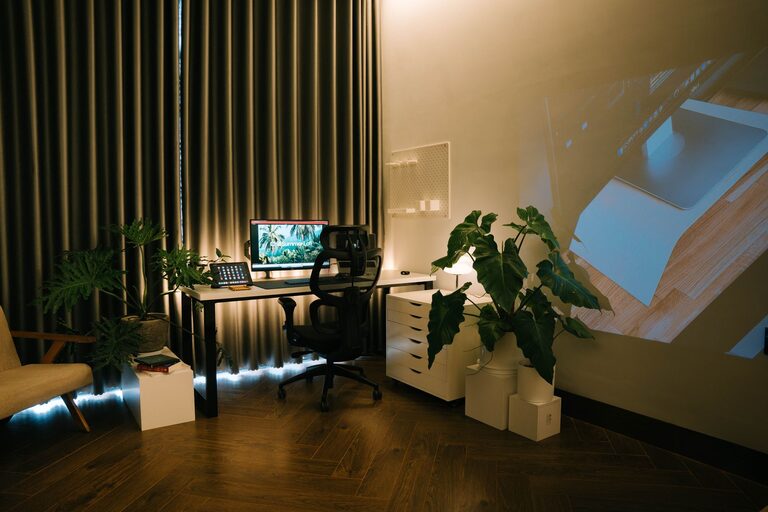
Creating a relaxing home workspace is essential for anyone who spends a significant amount of time working from home. A well-designed workspace can help improve focus, reduce stress, and make your workday more enjoyable. Whether you have a dedicated room or a small corner, there are many ways to transform your space into a soothing and productive environment.
Why a Relaxing Workspace Matters
When your workspace feels cluttered, uncomfortable, or uninspiring, it can affect your mood and work performance. On the other hand, a calming, organized space encourages creativity and concentration. A relaxing home workspace helps you separate work from personal life, which can improve your overall well-being.
Step 1: Choose the Right Location
Consider Natural Light
Position your workspace near a window if possible. Natural light boosts mood and energy levels. Avoid glare on your computer screen by placing your desk perpendicular to the window.
Minimize Noise and Distractions
Find a quiet area where you can focus without interruptions. If noise is unavoidable, consider using noise-cancelling headphones or adding soft textiles like rugs and curtains to absorb sound.
Step 2: Select Comfortable and Functional Furniture
Invest in a Good Chair
An ergonomic chair is worth the investment. It supports your posture and prevents discomfort during long hours of sitting.
Opt for a Spacious Desk
Your desk should have enough surface area for your computer, notes, and other essentials. If space is limited, use vertical organizers or wall shelves to keep things tidy.
Step 3: Create an Organized and Clutter-Free Space
Use Storage Solutions
Drawers, baskets, and filing cabinets help keep paperwork and supplies organized. Keeping clutter under control can reduce stress and help you focus.
Keep Only Essentials on Your Desk
Limit desk items to what you use daily. This creates a cleaner, more calming surface and makes it easier to stay organized.
Step 4: Add Personal Touches and Calming Elements
Incorporate Plants
Indoor plants improve air quality and add a touch of nature. Choose low-maintenance plants like succulents or pothos.
Use Soothing Colors
Soft blues, greens, or neutrals are known to promote calm and focus. You can include these colors in wall paint, desk accessories, or artwork.
Include Art and Inspirational Quotes
Decorate your workspace with art or quotes that inspire you. This can boost motivation and make the area feel welcoming.
Step 5: Manage Lighting and Technology
Combine Ambient and Task Lighting
Good lighting reduces eye strain. Use a mix of natural light, overhead lights, and a desk lamp to create a well-lit environment.
Organize Cables and Devices
Tidy cables with clips or sleeves to avoid a tangled mess. Keep devices charged and within reach but not cluttering your work area.
Step 6: Build a Routine to Maintain Your Space
Set a Daily Cleanup Time
Spend a few minutes at the end of each day to tidy your workspace. This prevents clutter buildup and helps you start fresh the next morning.
Personalize Your Routine
Incorporate moments of relaxation like stretching, deep breathing, or a short walk. These breaks can refresh your mind and keep your workspace feeling pleasant.
Conclusion
Creating a relaxing home workspace doesn’t require a large budget or extensive renovations. By thoughtfully choosing your location, furniture, and décor, and by maintaining organization, you can build a space that supports productivity and well-being. Small changes can make a big difference in how you experience your workday at home. Start with one step today, and gradually create a workspace that feels both calming and inspiring.
About the Author